
Por que o Planejamento de Riscos da Monção é Importante em julho de 2026
Em julho de 2026, oAtualização científica da Organização Mundial da Meteorologia Mundial sobre a Monçãoenfatiza conexões mais fortes entre observações, previsão sazonal e serviços práticos. A variabilidade das monções é influenciada por múltiplos fatores climáticos, incluindo a Oscilação El Niño–Sul, o Dipolo do Oceano Índico e a Oscilação Madden–Juliana.
As condições podem variar substancialmente de país para país e região. Uma área pode apresentar chuvas intensas e inundações localizadas, enquanto outra enfrenta precipitações, calor ou pressão de manejo da água abaixo do normal. As previsões sazonais descrevem a probabilidade, e não a certeza.
Reportagens da OMM a partir doRegião do Pacífico SudoesteTambém ilustra como sistemas tropicais e ondas de monção podem se combinar em perigos em cascata. Este artigo não prevê uma enchente ou tempestade específica. Seu objetivo é ajudar as equipes de produto B2B a definir papéis de iluminação e requisitos de verificação. Avisos locais de clima e gerenciamento de emergências sempre têm prioridade.
Quais produtos de iluminação são úteis durante interrupções de energia relacionadas à monção?
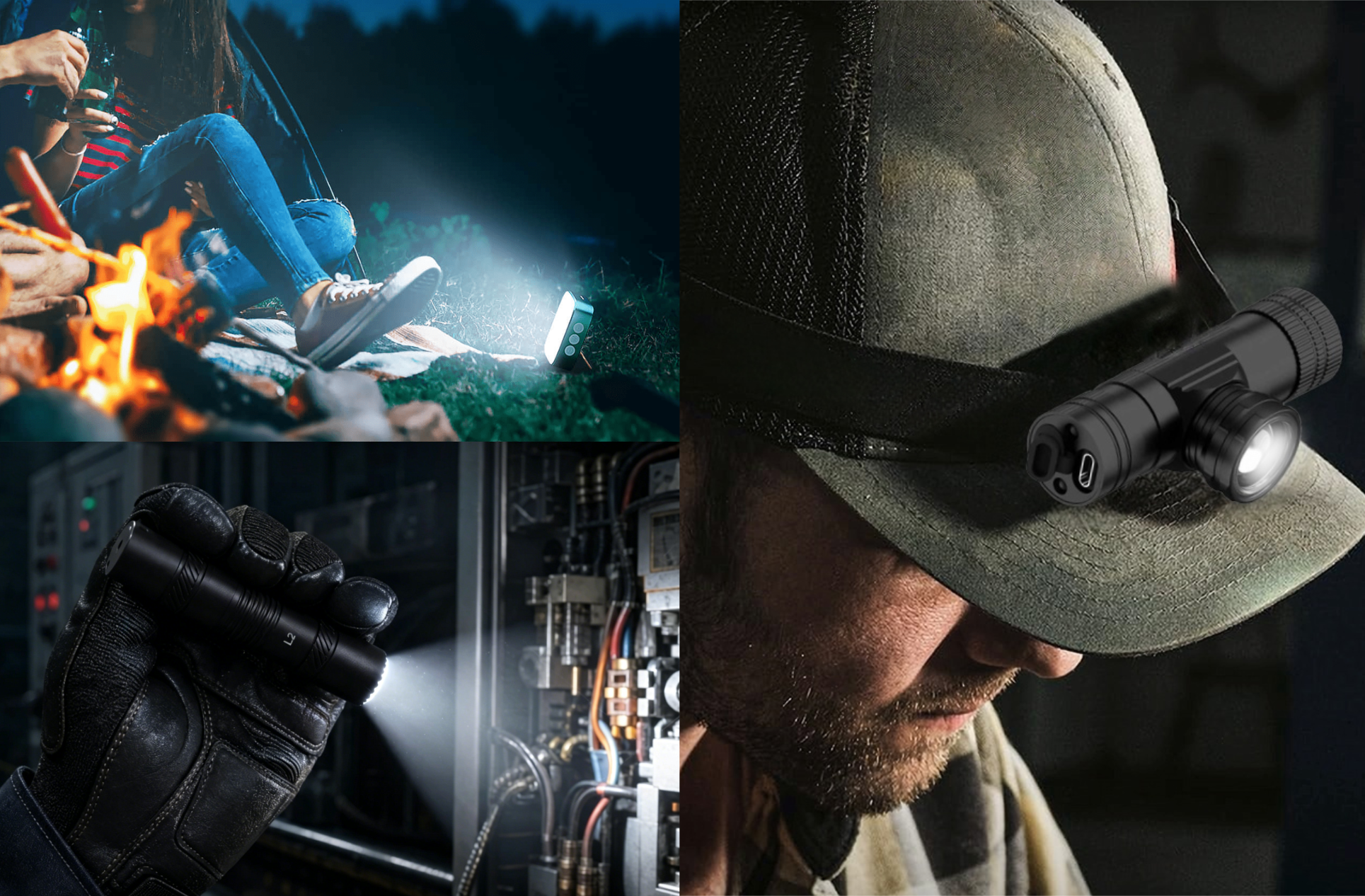
A iluminação de emergência da monção deve dividir a iluminação portátil em três funções: uma lanterna de mão para checagem direcional, uma lanterna de cabeça para tarefas mãos-livres e uma lanterna de área para iluminação ampla interna ou de áreas de trabalho. Cada formato precisa de modos médios e baixos úteis, preparação adequada para bateria ou carregamento, limites exatos de IP e testes específicos para cada modelo. Os compradores não devem presumir que mais lúmens ou uma bateria maior automaticamente proporcionam maior prontidão. Avisos oficiais locais e instruções de segurança elétrica têm prioridade, e nenhuma luz portátil torna a água da enchente, fiação danificada ou estruturas instáveis seguras.
O que é uma interrupção em cascata de monção?
Uma interrupção em cascata ocorre quando um evento climático desencadeia vários problemas operacionais conectados. Chuvas intensas podem ser seguidas por uma interrupção local de energia, interrupções na estrada podem atrasar o acesso a baterias ou equipamentos, e uma realocação temporária pode criar a necessidade de iluminação ampla interna.
Depois que as autoridades declaram uma área segura, as equipes de manutenção também podem precisar inspecionar uma sala de utilidades escuras, organizar suprimentos ou trabalhar com as duas mãos disponíveis. O acesso ao carregamento pode ficar limitado durante uma queda prolongada. Esses são cenários de planejamento, não previsões para um local específico, e não justificam a entrada em águas de enchente, prédios instáveis ou áreas elétricas inseguras.
Três Tarefas de Iluminação Durante Interrupções por Chuvas Fortes
Visibilidade Direcional: Gabinete L2 Portátil
Uma lanterna portátil permite checagens focadas de corredores, rotas próximas a partir de uma posição segura, veículos, etiquetas e equipamentos. Os compradores devem avaliar a distância do feixe, espaçamento de modos, acesso ao interruptor, compatibilidade da bateria e evidências de impacto e resistência à água.
OLanterna portátil L2 multi-bateriautiliza um LED OSRAM P8 com 750LM Alto, 230LM Médio, 5LM Baixo e uma distância máxima de feixe de 115 metros. Alta saída suporta visibilidade breve e mais forte, Média suporta verificações gerais e Baixa suporta tarefas próximas e com reflexo reduzido.
O L2 aceita uma bateria de lítio aprovada 14500, uma bateria AA alcalina ou uma bateria AA NiMH. A saída e o tempo de execução devem ser verificados separadamente para cada formato. Sua carroceria de alumínio 6463 possui especificações de impacto IPX6 e 1 metro; IPX6 não indica adequação para imersão.
Iluminação de Tarefas Mãos-Livres: Estojo do Farol HL8
Uma lanterna de cabeça suporta o transporte de suprimentos, organização de equipamentos e realização da manutenção com ambas as mãos disponíveis. A seleção deve considerar a estabilidade do desgaste, níveis de saída utilizáveis, acesso à bateria, conforto, comportamento do interruptor ou sensor e limites exatos de resistência à água.
O HL8 é um farol inteligente com sensor de ondas, com 300LM Alto, 140LM Médio, 55LM Baixo e uma distância máxima de 69 metros. A detecção de ondas pode reduzir o contato direto repetido com interruptores em condições de trabalho adequadas, mas não deve ser apresentada como operação garantida com mão molhada ou luva sem teste.
A estrutura de alumínio 6063 utiliza uma plataforma de lítio 18650 com capacidade confirmada de 1800mAh. A capacidade da bateria não prova o tempo de funcionamento. O HL8 possui especificações de impacto IPX5 e 1 metro, e os compradores podem analisar as especificações mais amplasLanternas de Cabeça para Iluminação de Tarefas.
Iluminação de Área Ampla: Estojo de Lanterna F5
Uma lanterna de área sustenta a iluminação de sala, mesa, interior de veículos, abrigo temporário e zona de trabalho em grupo. Os compradores devem avaliar difusão, reflexo, montagem, opções de temperatura de cor, limites de entrada e saída de cobrança e proteção contra poeira e água.
OLanterna recarregável de área F5oferece até 500LM com configurações de 3000K, 4500K e 6000K. Três níveis de brilho em cada configuração criam nove esquemas de iluminação para diferentes condições de zona de trabalho.
Seu pacote de bateria embutido de 5200mAh, entrada Tipo-C, saída USB-A, base magnética e gancho de suspensão suportam posicionamento e funções limitadas de alimentação do dispositivo. A carcaça de ABS e PC possui especificações de impacto IP64 e 1 metro. A capacidade não comprova tempo de funcionamento ou um número específico de cobranças telefônicas.
Matriz de Tarefas de Iluminação de Emergência para Monções
| Tarefa de Iluminação | Formato Recomendado | Principal Vantagem | Consideração de Poder | Limite de Resistência à Água | Caso SHENGQI |
|---|---|---|---|---|---|
| Visibilidade Direcional | Lanterna de Mão | Verificações focadas e alcance direcional | Verifique cada formato de bateria suportado | Jatos de água IPX6, não imersão | L2 |
| Trabalho Mão-Livre | Farol | Ambas as mãos permanecem disponíveis | Planeje carregamento e manutenção de baterias | Jatos de água IPX5, não de imersão | HL8 |
| Iluminação em Área Ampla | Lanterna | Iluminação difusa em ambientes ou zonas de trabalho | Verificar entrada, saída e tempo de execução | Limites de poeira e respingo IP64 | F5 |
Esses produtos desempenham funções diferentes e não devem ser tratados como intercambiáveis apenas por serem luzes portáteis.
IP, Baterias e Limites de Conformidade
Por que as classificações IP devem ser lidas exatamente por produto
IPX5 indica proteção contra jatos de água sob condições de teste aplicáveis. IPX6 indica proteção contra jatos de água mais potentes. No IP64, o primeiro dígito descreve uma classificação de proteção contra poeira e o segundo indica proteção contra respingos de água.
Essas classificações não são intercambiáveis e não devem ser ampliadas para alegações de inundação ou imersão. Tampas de porta, vedações, desgaste, montagem e condição do produto podem afetar o desempenho em campo. Instruções e evidências específicas do modelo têm prioridade.
Planejamento de Energia por Função do Produto
O L2 suporta os formatos aprovados de lítio 14500, AA alcalino e AA NiMH, mas o desempenho do modo pode variar. O HL8 utiliza uma plataforma 18650 de 1800mAh e requer planejamento de carregamento e manutenção. F5 utiliza um pacote embutido de 5200mAh com entrada confirmada Type-C e saída USB-A.
A capacidade da bateria sozinha não prova o tempo de funcionamento utilizável.Os compradores devem verificar o comportamento de descarga, o acesso ao carregamento e o desempenho da saída para a configuração final do produto.
Evidências de Conformidade Específicas para Modelos
O HL8 está listado dentro do escopo do modelo da documentação relevante do CE-EMC e do SVHC REACH, com um resultado PASS registrado para a configuração EMC testada. F5 é o modelo de teste representativo na documentação aplicável da Parte 15 da FCC, Subparte B.
Esses registros suportam a revisão de conformidade apenas dentro do escopo declarado. Eles não comprovam desempenho à prova d'água, confiabilidade de emergência ou adequação para todos os mercados. Nenhuma afirmação de certificação específica de modelo não verificada é feita aqui para L2.
Checklist de Verificação de Iluminação Monção B2B
Compradores B2B não devem aprovar um produto de iluminação monção baseado apenas no máximo de lúmenes, em um rótulo genérico "à prova d'água" ou em um logotipo de certificação não relacionado.
Como a SHENGQI LIGHTING apoia o desenvolvimento de produtos prontos para a monção
Para projetos de iluminação em clima úmido,Desenvolvimento de produtos de iluminação portátilpode coordenar o papel do produto, Design de Engenharia Óptica, Design Eletrônico, arquitetura de baterias, estrutura de carcaça, vedações, interfaces de carregamento e linguagem de embalagem.
A SHENGQI LIGHTING também mantémTestes de luz à prova d'água e de luz portátilcapacidades, incluindo Testes de Bateria, Testes de Tempo de Descarga, Testes de Performance Luminosa e Testes de Impacto. Essas capacidades em nível de empresa não significam que todos os modelos completaram todos os testes disponíveis.
A empresa opera sob um sistema de gestão de qualidade ISO9001, apoiado por 75 máquinas CNC e onze linhas de montagem sem poeira. O valor de desenvolvimento vem da conexão dos requisitos de engenharia verificados com controle de produção repetível, em vez de expandir as alegações além da evidência específica do modelo.
Perguntas Frequentes
1. O que é iluminação de emergência monção?
Iluminação de emergência para monções é o planejamento baseado em tarefas de luzes portáteis para interrupções causadas por chuvas intensas, interrupções temporárias e problemas operacionais relacionados. Ele separa a iluminação direcional de mão, uso de faróis mãos-livres e iluminação em área ampla, mantendo os limites de bateria, carga e resistência à água específicos para cada produto.
2. Por que lanterna, lanterna de cabeça e lanterna não são intercambiáveis?
Uma lanterna fornece luz direcional focada, uma lanterna de cabeça mantém as duas mãos disponíveis e uma lanterna espalha a luz por um cômodo ou área de trabalho. O design do feixe, a montagem, o sistema de bateria e as limitações operacionais diferem, então o máximo de lúmens sozinho não pode determinar qual formato é apropriado.
3. Uma luz IPX5 ou IPX6 é segura para uso em águas de enchente?
Não. IPX5 e IPX6 descrevem a resistência do jato de água sob condições de teste aplicáveis. Eles não indicam que um produto seja seguro para uso em águas de imersão ou enchente. A água da enchente pode conter riscos elétricos, químicos, estruturais e biológicos que uma luz portátil não pode remover.
4. Por que os modos médio e baixo são importantes durante interrupções de energia?
Modos médio e baixo podem se adequar melhor à manutenção repetida, leitura de rótulos, organização de fornecimento e trabalho de curta distância. Eles também podem reduzir o brilho e a demanda de energia em comparação com a produção máxima contínua. Os compradores ainda devem solicitar o comportamento verificado de execução e saída para todos os modos relevantes.
5. Uma capacidade maior de bateria garante maior tempo de uso?
Não. O tempo de execução depende do modo de saída, condição da bateria, comportamento do driver, temperatura, método de teste e outros fatores — não apenas da capacidade. Diferentes produtos também podem usar sua energia armazenada para diferentes padrões de feixe, eletrônicos, funções de carregamento ou saídas de energia do dispositivo.
6. O que os compradores B2B devem verificar antes de adquirir luzes portáteis para clima molhado?
Os compradores devem verificar o papel do produto, utilidade do modo, testes em tempo de execução, configuração da bateria, evidências de IP específicas do modelo, desempenho de entrada e saída de carga, documentação de conformidade aplicável e precisão da embalagem. Cada produto deve ter limites definidos, em vez de uma reivindicação genérica de emergência ou de proteção à prova d'água.
Desenvolva Iluminação Portátil para Tarefas Reais de Monção
Marcas de preparação para emergências, empresas ao ar livre, lojas de ferragens, fornecedores de segurança para instalações, marcas de camping, empresas de kits de emergência automotivo, distribuidores e equipes de fornecimento podem discutir portáteis direcionais, faróis mãos-livres, lanternas de área, planejamento de plataformas de baterias, óptica, eletrônicos, estruturas à prova d'água e testes de produtos.
Entre em contato com a SHENGQI LIGHTING para uma avaliação técnica OEM/ODM emsales@shengqilight.com.
Sempre siga os avisos meteorológicos locais, instruções de evacuação e orientações de segurança elétrica. Iluminação portátil não torna a água da enchente ou estruturas instáveis seguras.